Winter Olympics Medal Count: 2026 Milano Cortina Live Analysis
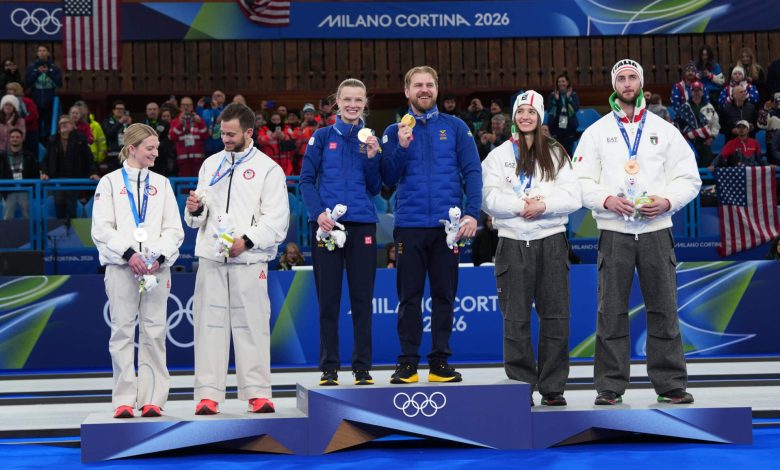
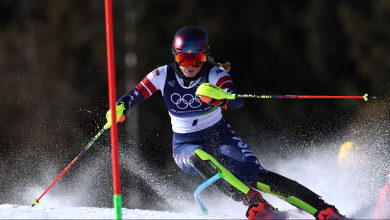
Winter Olympics Medal Count standings are the ultimate barometer of national sporting success, serving as a global scoreboard that transcends mere athletic competition. As the world turns its eyes to the snowy peaks of Italy for the Milano Cortina 2026 Games, the race for the podium has reached a fever pitch. Today, on February 14, 2026, we find ourselves at the halfway mark of this prestigious fortnight, witnessing a clash of titans as traditional powerhouses and rising challengers vie for supremacy in the medal table. This article provides a comprehensive analysis of the current standings, the history of Olympic dominance, and the intricate mechanics that define who truly “wins” the Games.
The Significance of the Medal Race
The Winter Olympics Medal Count is more than just a tally of precious metals; it is a reflection of a nation’s infrastructure, economic power, and cultural dedication to winter sports. For countries like Norway, Germany, and the United States, the medal table is a matter of immense national pride. It justifies millions of dollars in government funding and sponsorship deals that support athlete development programs. When a nation tops the chart, it signals a successful return on investment and a validation of its sporting systems.
In the context of Milano Cortina 2026, the stakes are exceptionally high. With the introduction of new disciplines such as Ski Mountaineering (Skimo), the opportunities to secure hardware have expanded, altering the traditional calculations for projected winners. Nations that have invested early in these emerging sports are seeing immediate dividends, shaking up the leaderboard in unexpected ways.
Milano Cortina 2026: The Current Landscape
As we cross the midpoint of the 2026 Games, the battle at the top of the leaderboard follows a familiar yet thrilling script. The unique geography of these Games, spread across clusters in Milan, Cortina, and Val di Fiemme, has provided a spectacular backdrop for some of the most intense competitions in recent memory.
Norway continues to demonstrate why it is the undisputed king of winter sports. Their dominance in cross-country skiing and biathlon remains the backbone of their medal haul. Athletes like Johannes Høsflot Klæbo have continued to deliver consistent gold-medal performances, ensuring that the Scandinavian nation remains the team to beat. Meanwhile, the United States has leaned heavily on its stars in freestyle skiing and snowboarding, with veteran performers and new talents in the halfpipe and slopestyle events contributing significantly to their total.
Germany has once again asserted its authority in the sliding center. The luge, bobsled, and skeleton events have proven to be a goldmine for the German team, whose technological advantages in sled design and track familiarity continue to pay off. The race for the top spot is currently a tight triangular contest, with the final week’s alpine and skating events likely to determine the ultimate winner.
Historical Dominance: The Norwegian Machine
To understand the current Winter Olympics Medal Count, one must look at the historical data. Norway is, without question, the greatest winter sports nation in history. Despite a population of just over 5 million, they have accumulated more medals than any other country, surpassing giants like the USA and the former Soviet Union. This phenomenon, often studied as the “Norwegian Model,” prioritizes youth participation and joy in sports over early specialization, a strategy that yields elite athletes with remarkable longevity.
The table below highlights the all-time leading nations in Winter Olympic history leading into the 2026 Games. This historical context is crucial for evaluating the magnitude of current achievements.
| Rank | Nation | Gold | Silver | Bronze | Total Medals |
|---|---|---|---|---|---|
| 1 | Norway | 148 | 134 | 123 | 405 |
| 2 | United States | 114 | 122 | 95 | 331 |
| 3 | Germany | 105 | 98 | 65 | 268 |
| 4 | Austria | 71 | 88 | 91 | 250 |
| 5 | Canada | 77 | 72 | 76 | 225 |
This table illustrates the massive gap Norway has opened up over the last century. Their ability to consistently win across multiple disciplines—Nordic combined, jumping, skiing, and biathlon—gives them a mathematical advantage that single-sport dominant nations struggle to overcome.
Gold First vs. Total Medals: The Ranking Debate
A persistent controversy surrounding the Winter Olympics Medal Count is the method of ranking. The International Olympic Committee (IOC) and most of the world utilize the “Gold First” system. In this model, one gold medal is worth more than any number of silver or bronze medals. A country with 10 golds and 0 silvers would rank higher than a country with 9 golds and 20 silvers. This system emphasizes the pinnacle of achievement—being the absolute best in an event.
However, media outlets in the United States often prefer the “Total Medals” count, which ranks nations by the aggregate sum of podium finishes. Proponents of this system argue that it better reflects the overall depth and strength of a national team. For example, if a nation secures 30 medals but only 5 are gold, the Total Medals system rewards their consistency across events. This divergence often leads to two different “winners” being declared in the media, depending on which publication you read.
For Milano Cortina 2026, this debate remains relevant. Depending on how the cards fall in the final week, we could see a scenario where Norway leads the Gold count while another nation, perhaps the USA or Germany, challenges for the Total count lead, fueling ongoing discussions about which metric is superior.
Italy’s Performance and the Host Nation Effect
The “Host Nation Bump” is a well-documented statistical phenomenon where the country hosting the Olympics tends to win significantly more medals than their historical average. For Italy in 2026, the expectations are massive. Competing on home snow in the Dolomites and home ice in Milan provides a distinct psychological and logistical advantage. Italian athletes have trained extensively on these specific tracks and slopes, knowing every turn of the Cortina downhill course and every inch of the sliding track.
Early results in the 2026 Games suggest Italy is capitalizing on this advantage. Their Alpine skiing team, always a threat, has performed exceptionally well, fed by the energy of the passionate local crowds. Furthermore, smaller sports like Short Track Speed Skating have seen Italian athletes punch above their weight, contributing valuable metals to the host’s tally. While topping the overall table might be out of reach against the likes of Norway, a top-five finish would be considered a resounding victory for the Italian National Olympic Committee.
For detailed breakdowns of specific sports categories, you can check the sports categories section of our site.
Key Sports Impacting the 2026 Count
The composition of the Winter Olympics schedule dictates which nations thrive. The inclusion of Ski Mountaineering in 2026 has introduced a new variable. This sport, which combines skiing and mountaineering skills, favors nations with strong alpine traditions like Switzerland, Italy, and France, potentially siphoning medals away from traditional Nordic powers.
Alpine Skiing: With a high number of events (Downhill, Super-G, Giant Slalom, Slalom, Combined), this discipline is a medal factory. Austria and Switzerland traditionally dominate here, but the globalization of the sport has seen competitors from New Zealand, the US, and Scandinavia claiming spots on the podium.
Speed Skating: The Netherlands has historically turned the speed skating oval into a sea of orange. Their unparalleled technical focus on long-track skating often results in Dutch sweeps of the podium. However, the emergence of younger skaters from the US and Asia is challenging this hegemony in 2026.
Freestyle & Snowboard: These judged events are critical for the North American medal count. The evolution of tricks in Big Air and Slopestyle means that the medal count is often decided by the slimmest of margins and the bravery of athletes attempting never-before-seen rotations.
To see a full list of our latest coverage on these events, visit our latest posts page.
The Economics Behind the Medals
The Winter Olympics Medal Count is inextricably linked to economics. Winter sports are expensive; they require specialized equipment, access to mountains or ice rinks, and significant travel. It is no coincidence that the top of the medal table is populated by wealthy, northern hemisphere nations. The correlation between GDP per capita and Winter Olympic success is stronger than in the Summer Games.
However, targeted funding strategies can disrupt this pattern. China’s massive investment leading up to 2022 created a legacy that is still bearing fruit in 2026, particularly in freestyle skiing and snowboarding. Similarly, nations like South Korea have focused intensely on Short Track Speed Skating, a strategy that yields a high volume of medals from a relatively small number of athletes. This “niche dominance” is a cost-effective way to climb the medal rankings without needing to field competitive teams in every single sport.
Understanding the broader site structure and how we categorize these economic analyses can be found in our site directory.
Looking Ahead: The Final Week
As the Milano Cortina 2026 Games head into their final week, the Winter Olympics Medal Count will likely come down to the wire. The final weekend typically features high-stakes events like the outcome of the ice hockey tournaments and the prestigious 50km cross-country skiing mass start. These final events often serve as the tiebreakers for the overall title.
For fans and analysts alike, the medal table provides a narrative arc to the Games. It tells the story of nations rising and falling, of dynasties maintained and shattered. Whether you subscribe to the Gold First or Total Medals philosophy, the race for the top is a compelling drama that underscores the universal drive for excellence.
For official live results and data, we recommend visiting the International Olympic Committee website. The coming days will determine which nation etches its name into history as the champion of the 2026 Winter Games.