Winter Olympics 2026: Milano Cortina Mid-Games Update & Highlights
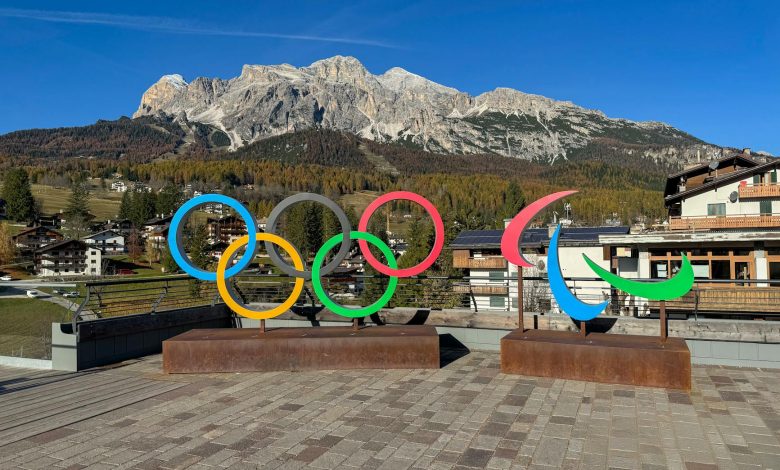
Winter Olympics 2026 has officially reached its halfway mark, capturing the world’s imagination with a spectacular display of athleticism, innovation, and Italian flair. As the global community turns its eyes to the snowy peaks of the Dolomites and the bustling streets of Milan, the XXV Olympic Winter Games are delivering on their promise of a unique, dual-city experience. From the historic opening ceremony at the San Siro Stadium to the adrenaline-pumping downhill races in Bormio, the event has been a masterclass in organizing a modern, sustainable sporting spectacle.
Today, February 14, 2026, marks a special day in the Olympic calendar. Not only is it Valentine’s Day, adding a romantic backdrop to the fierce competition, but it is also a pivotal moment for medal standings as we transition into the second week of the Games. Fans across the globe are tuning in to witness history in the making, with new disciplines like Ski Mountaineering making waves and traditional favorites like Alpine Skiing drawing massive crowds. For comprehensive coverage of these unfolding events, stay tuned to Miraj News Now.
Winter Olympics 2026: The Dual-City Experience
The Winter Olympics 2026 introduces a revolutionary hosting concept: the dual-city model. For the first time in Olympic history, the Games are officially named after two distinct cities, Milano and Cortina d’Ampezzo. This decentralized approach spans a vast geographical area, encompassing the Lombardy and Veneto regions, as well as the autonomous provinces of Trento and Bolzano. The logistical challenge of connecting these hubs has been met with an impressive network of high-speed rail and eco-friendly transport solutions, allowing spectators to traverse the 400-kilometer distance between the urban ice venues and the alpine snow clusters.
Milan, a global capital of fashion and design, hosts the ice sports, including Figure Skating and Ice Hockey, bringing a cosmopolitan energy to the Games. In contrast, Cortina d’Ampezzo, the Queen of the Dolomites, offers a breathtaking natural amphitheater for skiing and sliding sports. This juxtaposition of urban sophistication and raw mountain beauty defines the aesthetic of the 2026 Games. The opening ceremony, held at the iconic San Siro in Milan, set the tone with a dazzling celebration of Italian culture, while the closing ceremony is scheduled for the historic Verona Arena, a Roman amphitheater that bridges the gap between ancient history and modern sport.
Mid-Games Report: February 14th Highlights
As we wake up on this Valentine’s Day morning, the excitement in Italy is palpable. The Winter Olympics 2026 schedule for today is packed with high-stakes finals and qualification rounds that could decisively shift the medal table. The weather in the Dolomites is crisp and clear, providing perfect conditions for the outdoor events, while the indoor arenas in Milan are buzzing with anticipation.
Valentine’s Day on the Slopes
February 14 is shaping up to be a defining day for several key disciplines. In Livigno, the Women’s Freestyle Skiing Dual Moguls event is drawing significant attention. This high-octane sport, where skiers race side-by-side down a mogul field, is a fan favorite for its speed and technical difficulty. Meanwhile, over in Bormio, the Men’s Giant Slalom is underway on the legendary Stelvio slope, one of the most challenging courses in the world. The steep vertical drop and icy conditions are testing even the most seasoned veterans.
Biathlon fans are focused on Anterselva, where the Women’s 7.5km Sprint is set to take place. The combination of cross-country skiing endurance and rifle shooting precision makes this one of the most unpredictable events of the Games. Today’s race is critical for determining the starting positions for the upcoming Pursuit event. In Milan, the speed skating oval is the site of the Men’s 500m and 1500m finals, where world records are under threat. For real-time updates on these events, check our sports updates section.
Ski Mountaineering: The Olympic Debut
One of the most talked-about additions to the Winter Olympics 2026 is Ski Mountaineering, or “Skimo.” Making its Olympic debut, this sport pays homage to the deep-rooted traditions of alpine travel. Athletes must ascend snow-covered mountains using skins on their skis and sometimes travel on foot, before descending at breakneck speeds. The inclusion of Skimo reflects the IOC’s commitment to relevant, youth-oriented sports that celebrate mountain culture.
The events are being held in Bormio, a fitting venue given its history with high-altitude sports. The Men’s and Women’s Sprints are particularly intense, lasting only a few minutes but requiring explosive power and seamless transitions. The Mixed Relay, scheduled for later in the week, promises to be a highlight, showcasing the teamwork and versatility of these incredible athletes. This debut has reinvigorated interest in backcountry skiing worldwide and highlights the evolving nature of the Winter Games.
| Date | Event | Venue | Key Details |
|---|---|---|---|
| Feb 14, 2026 | Women’s Dual Moguls | Livigno | Medal Event – Freestyle Skiing |
| Feb 14, 2026 | Men’s Giant Slalom | Bormio (Stelvio) | Runs 1 & 2 – Alpine Skiing |
| Feb 14, 2026 | Women’s Biathlon Sprint | Anterselva | 7.5km Sprint Final |
| Feb 15, 2026 | Men’s Speed Skating | Milan | 1500m Final |
| Feb 16, 2026 | Women’s Ice Hockey | Milan (PalaItalia) | Semi-Final Matches |
Sustainability at Milano Cortina 2026
Sustainability is not just a buzzword for the Winter Olympics 2026; it is the foundational pillar of the entire event. In an era of climate anxiety, the organizers have gone to great lengths to ensure these Games are the most eco-friendly in history. The “Legacy” concept is central to this mission, ensuring that the event leaves a positive environmental and social footprint on the host regions.
Legacy Venues and Eco-Friendly Innovations
Remarkably, over 90% of the venues used for Milano Cortina 2026 are either existing structures or temporary installations. This massive reduction in new construction has significantly lowered the carbon footprint compared to previous Games. For example, the sliding center in Cortina is a refurbishment of the historic Eugenio Monti track, which was used in the 1956 Olympics. By revitalizing heritage sites rather than building from scratch, Italy is preserving its sporting history while protecting its alpine landscapes.
Energy consumption is another area of innovation. The Games are powered almost entirely by renewable energy sources, including hydroelectric and solar power from the surrounding regions. Snowmaking, a necessity in modern winter sports, has been optimized with advanced systems that use less water and energy. Furthermore, the transport fleet for athletes and officials relies heavily on electric and hybrid vehicles, and spectators are encouraged to use the expanded rail network. These efforts set a new benchmark for future mega-events.
The Venues: From San Siro to the Dolomites
The geographical spread of the Winter Olympics 2026 allows for a diverse range of venues, each offering a distinct atmosphere. The coordination required to manage these widespread locations is a testament to Italian logistical planning.
Ice Sports in Milan
Milan serves as the pulsating heart of the ice disciplines. The newly built PalaItalia Santa Giulia is a state-of-the-art arena hosting the Ice Hockey matches. Designed with sustainability in mind, it will serve as a multi-purpose venue for the city long after the Games conclude. The Mediolanum Forum is hosting Figure Skating and Short Track Speed Skating, dazzling audiences with its modern facilities and electric atmosphere. The decision to host the opening ceremony at San Siro, traditionally a football stadium, was a stroke of genius, allowing tens of thousands more fans to participate in the kickoff event than a standard indoor arena would allow.
Snow Sports in Cortina and Bormio
Moving to the mountains, Cortina d’Ampezzo hosts Women’s Alpine Skiing on the Tofane slopes, offering a spectacular backdrop of pink-hued dolomite rock. Curling is also centered here, utilizing the renovated Olympic Ice Stadium. Further west, Bormio and Livigno in the Valtellina valley are the hubs for Men’s Alpine Skiing and Freestyle Skiing/Snowboarding, respectively. The sheer variety of terrain across these clusters ensures that every discipline has a world-class stage. Val di Fiemme, known as the cradle of Nordic skiing, hosts Ski Jumping and Cross-Country events, utilizing its well-established infrastructure to great effect.
Economic Impact and Tourism Surge
The economic implications of hosting the Winter Olympics 2026 are vast. The event has triggered a tourism boom in Northern Italy, with hotels and rentals booked to capacity across Lombardy and Veneto. This influx of visitors is providing a much-needed post-pandemic boost to the local hospitality industry. Beyond the immediate revenue, the Games are positioning the region as a premier winter destination for decades to come.
Infrastructure improvements, particularly in rail and road networks, will benefit local communities long after the athletes have departed. The upgraded connectivity between Milan and the mountain resorts makes the Dolomites more accessible to international travelers and day-trippers alike. However, organizers have been careful to balance this growth with environmental preservation, ensuring that the surge in tourism does not degrade the fragile alpine ecosystems. For more on the economic ripple effects, read our Winter Games coverage.
Participating Nations and Emerging Stars
With 92 nations participating, the Winter Olympics 2026 is a truly global gathering. Traditional powerhouses like Norway, Germany, and the United States are currently battling for the top spot on the medal table. Norway’s dominance in cross-country and biathlon remains a central narrative, but Italy, buoyed by home-field advantage, is performing exceptionally well in alpine skiing and luge.
Emerging nations are also making their mark. We are seeing competitive entries from countries not traditionally associated with winter sports, a testament to the growing global appeal of the Winter Games. Young athletes, particularly in the new freestyle and skimo events, are redefining the limits of human performance. The “Generation Z” influence is evident in the style and camaraderie of the competitors, who are using social media to share their Olympic journey directly with fans, bypassing traditional media filters and creating a more intimate connection with the audience.
Conclusion
As we navigate the second week of the Winter Olympics 2026, it is clear that Milano Cortina has succeeded in delivering a Games that honors tradition while embracing the future. The seamless integration of urban and alpine venues, the rigorous commitment to sustainability, and the exciting debut of new sports have set a high bar for future hosts. Today, on February 14, as athletes push for glory on the slopes of Bormio and the ice of Milan, the world watches in awe. The legacy of these Games will likely be one of resilience, beauty, and a renewed love for the winter mountains. For all official results and live tracking, you can visit the International Olympic Committee website.