Trump Public Health Lawsuit: States Challenge 2026 Policy
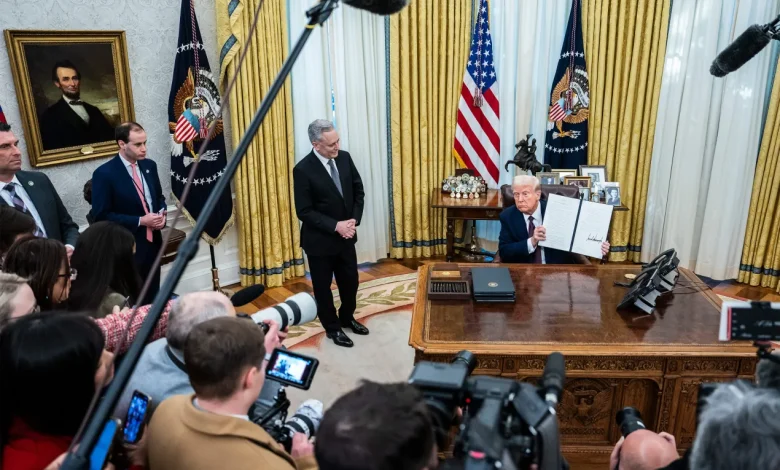
Trump Public Health Lawsuit proceedings have officially captured the nation’s attention this week, marking a pivotal moment in the 2026 administrative calendar. As legal challenges mount against the latest executive orders, a coalition of state attorneys general has filed a comprehensive complaint in federal court. This legal battle centers on recent deregulation efforts that critics argue could dismantle critical safety nets established over the last decade.
Legal Background of the Dispute
The current litigation stems from a series of policy shifts enacted early in the year aimed at reducing federal oversight of private healthcare providers. While the administration argues these moves stimulate competition and reduce costs, opponents claim they endanger public welfare. This standoff has drawn comparisons to previous gridlocks, such as the political standoff seen during the Save Act debates.
Legal experts suggest that the outcome of this case could redefine the scope of presidential power regarding public health emergencies and routine administration. The timeline of the lawsuit indicates an expedited review process, given the immediate nature of the policy implementation.
Key Allegations in the Filing
Plaintiffs argue that the administration failed to follow the Administrative Procedure Act (APA) by bypassing the notice-and-comment period. Furthermore, the lawsuit asserts that the reduction in federal subsidies for rural hospitals violates statutory obligations passed by Congress.
Executive Authority Concerns
Central to the plaintiffs’ case is the argument that the executive branch is encroaching on legislative territory. By unilaterally altering funding structures, the administration faces accusations of overreach similar to those leveled by opposition leaders in recent years. Constitutional scholars are watching closely, as the Supreme Court may eventually need to weigh in on the limits of executive discretion in health policy.
Impact on National Healthcare
If the lawsuit fails and the policies stand, analysts predict significant shifts in how healthcare is delivered across state lines. Reduced federal mandates could lead to a patchwork of regulations, complicating efforts for standardized care. This is particularly concerning given the need for cohesive strategies in managing threats, such as the ongoing efforts in global health surveillance and disease prevention.
Political Fallout and Reactions
The lawsuit has deepened the partisan divide in Washington. Supporters of the administration view the legal action as politically motivated obstructionism, while detractors frame it as a necessary defense of the rule of law. The rhetoric has intensified, with both sides mobilizing their bases ahead of the midterm election cycle.
Comparison of Legal Arguments
The following table outlines the primary arguments presented by the Plaintiff Coalition versus the Federal Defense team.
| Argument Category | Plaintiff Coalition (States) | Federal Defense (Administration) |
|---|---|---|
| Procedural Validity | Claims violation of APA due to lack of public comment period. | Argues emergency powers allow for expedited policy updates. |
| Statutory Authority | Asserts funding cuts contradict Congressional appropriations. | Cites discretionary allocation powers within the executive branch. |
| Public Impact | Predicts closure of rural health facilities and loss of care. | Projects lower insurance premiums and increased market choice. |
| Precedent | Cites previous rulings limiting agency deregulation. | Relies on recent Supreme Court decisions favoring executive latitude. |
Future Implications for 2026
As the Trump Public Health Lawsuit moves through the district courts, the implications extend beyond healthcare. A ruling against the administration could hamstring future deregulation efforts across other sectors, including energy and education. Conversely, a victory for the defense would solidify a new era of executive-led policy making, potentially reducing the influence of federal agencies. For authoritative updates on federal court filings, observers often consult the United States Courts official website.
Ultimately, this legal battle represents a critical stress test for the American judicial system in 2026, balancing the efficiency of executive action against the checks and balances mandated by the Constitution.