NHL scores Update: Olympic Break Analysis & Season Recap 2026

NHL scores have vanished from the ticker this week, replaced by the tricolor flags and national anthems of the 2026 Winter Olympics in Milan-Cortina. As of February 15, 2026, the National Hockey League is in the midst of its scheduled pause, a historic break that allows the world’s best players to return to the Olympic stage for the first time since 2014. While the daily rhythm of regular-season results has halted, the narrative of the 2025-26 season is far from over. This hiatus offers a crucial moment to analyze the scoring trends, standings battles, and individual performances that defined the first 50+ games of the season, and to project how the final stretch will unfold when the puck drops again on February 25.
The Olympic Pause: Where Did the NHL Scores Go?
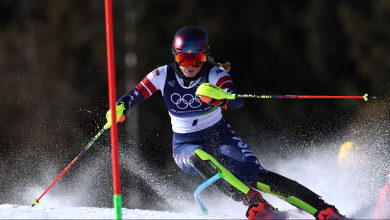
For casual fans checking their apps today, the lack of NHL scores might be jarring. However, the absence of league games is by design. The 2025-26 schedule included a definitive break from February 6 to February 25 to accommodate the Milan-Cortina Games. Today, instead of checking scores for the Toronto Maple Leafs or the New York Rangers, hockey enthusiasts are glued to international matchups like USA vs. Germany and Canada vs. France. This global tournament features NHL superstars donning their national colors, effectively transferring the “scores” that matter from North American arenas to the ice in Milan.
The impact of this break on the NHL season cannot be overstated. Momentum is a tangible force in professional hockey. Teams that were surging in late January—such as the Florida Panthers and the Edmonton Oilers—now face the challenge of cooling off for three weeks. Conversely, struggling franchises have been gifted a reset button, a time to heal nagging injuries and recalibrate systems without the pressure of nightly results. The “score” of the season is currently frozen, but the internal clock of every General Manager is ticking loudly toward the March 6 trade deadline.
Mid-Season Standings Snapshot: Who Led at the Break?
When the final horn sounded on February 5, the standings provided a fascinating look at the league’s hierarchy. In the Eastern Conference, the Florida Panthers, fresh off their Winter Classic victory over the Rangers, held the top spot in the Atlantic Division. Their aggressive forecheck and balanced scoring attack have kept them ahead of the pack, reminiscent of their championship pedigree. The Metropolitan Division saw a fierce battle between the New York Rangers and the Carolina Hurricanes, with scores often decided by a single goal, highlighting the parity in the East.
Out West, the narrative has been dominated by the Edmonton Oilers and the Colorado Avalanche. The Oilers, led by a historic pace from their captain, entered the break comfortably atop the Pacific Division. Meanwhile, the Central Division has been a gauntlet, with the Dallas Stars and Winnipeg Jets trading blows in the standings. For fans tracking sports recaps, the intensity of these divisional rivalries has provided some of the most thrilling scores of the year. The playoff picture is beginning to crystallize, but the Wild Card races remain wide open, with teams like the Seattle Kraken and Detroit Red Wings clawing for every point.
Scoring Leaders: McDavid, Matthews, and the 100-Point Pace
Individual brilliance has been the hallmark of the 2025-26 campaign. Connor McDavid entered the Olympic break with a staggering 96 points, leading the Art Ross Trophy race by a significant margin. His ability to generate offense at top speed—clocked at over 24 mph in multiple games—has redefined what is possible in the modern era. Tracking NHL scores this season has often been synonymous with tracking McDavid’s multi-point nights.
Not to be outdone, Auston Matthews has continued his assault on the Rocket Richard Trophy. With 45 goals at the break, the American sniper is on pace to challenge the 70-goal mark once again. His performance is a key reason the Maple Leafs remain in the hunt for the Atlantic crown. Meanwhile, emerging stars and veteran presences alike are making their mark. Tyler Bertuzzi of the Chicago Blackhawks has surprised many by leading the league in high-danger goals, proving that gritty, net-front scoring is still a premium asset in today’s game. This resurgence of different scoring styles adds depth to the nightly box scores.
| Category | Player/Team | Stat/Record | Trend Analysis |
|---|---|---|---|
| Points Leader | Connor McDavid (EDM) | 96 Points | On pace for 150+ points; dominant playmaking. |
| Goals Leader | Auston Matthews (TOR) | 45 Goals | High-volume shooter; elite release consistency. |
| Top Goalie (Save %) | Ilya Sorokin (NYI) | .928 SV% | Leads league in high-danger save percentage. |
| Best Power Play | Edmonton Oilers | 31.4% | Historically efficient unit continues to thrive. |
| Trade Deadline Asset | Various Pending UFAs | High Value | Sellers looking to capitalize on desperation. |
Goaltending Trends: High-Danger Saves and Shutouts
While high-scoring games grab the headlines, the story of the 2025-26 season is also written in the crease. Goaltenders like Ilya Sorokin have been nothing short of sensational. Sorokin’s ability to make high-danger saves has kept the New York Islanders competitive despite offensive inconsistencies. He entered the break leading the league in shutouts, a testament to his technical precision. The trend this season suggests that while scoring is up generally, the gap between elite goaltending and average performance is widening, often determining the outcome of close scores.
The Seattle Kraken have also seen a resurgence in net, mirroring the success of their NFL counterparts, the Seattle Seahawks, who have been making waves in the 2026 sports landscape. Reliable goaltending has allowed Seattle to remain in the thick of the Western Conference Wild Card race, turning what could have been blowout losses into tight, one-goal victories.
The March 6 Trade Deadline: Buyers vs. Sellers
With NHL scores paused, the front office “scores” take center stage. The trade deadline is set for March 6, 2026, less than two weeks after play resumes. This compressed timeline puts immense pressure on General Managers. The standings at the Olympic break essentially dictate the market. Teams on the bubble must decide if they are buyers or sellers based on their performance in the first 50 games.
Rumors are swirling around several high-profile pending unrestricted free agents. Teams looking to add scoring depth or defensive grit are analyzing the first half’s data to identify targets. The scarcity of cap space continues to be a major factor, forcing creative deals involving salary retention and third-party brokers. Much like the complex economic landscape of international trade tariffs, the NHL trade market requires navigating a web of regulations and asset management to secure a winning deal.
Fantasy Hockey Implications for the Home Stretch
For fantasy hockey managers, the Olympic break is a double-edged sword. On one hand, it allows injured stars to recover without missing NHL games. On the other, it disrupts the rhythm of hot streaks. Players like Nathan MacKinnon and Nikita Kucherov, who were piling up points before the break, will need to rediscover their timing immediately upon return. Managers should be scouring the waiver wire for players who might benefit from the rest—veterans who were fatigued in January could come back with renewed energy.
Additionally, the “scores” in fantasy matchups will likely be volatile in the first week back. Teams often play a heavy schedule to make up for the lost time, leading to back-to-back games where backup goaltenders see action. Smart fantasy managers will capitalize on these schedule quirks to gain an edge in their league standings.
Mark Your Calendars: Key Matchups When Play Resumes
The silence of the goal horns will end on February 25, 2026, when the NHL schedule resumes with a bang. The league has stacked the return week with rivalry matchups designed to reignite fan passion immediately. Key games to watch include a potential Stanley Cup Final preview between the Oilers and the Panthers, as well as critical divisional clashes that will directly impact the playoff race.
These initial scores post-break will be heavily scrutinized. Coaches often treat the post-Olympic stretch as a mini-season, tightening defensive structures and shortening benches. Fans can expect playoff-intensity hockey from the very first puck drop, as teams scramble to secure their positioning before the trade deadline locks the rosters.
Advanced Metrics: Speed, Power Plays, and Possession
Beyond the raw NHL scores, advanced metrics tell the deeper story of the 2025-26 season. Speed tracking data has shown a league-wide increase in skating velocity, with the game becoming faster than ever. This shift favors younger, more agile rosters. The athleticism seen in modern tennis stars is paralleled on the ice, where explosive power is now a prerequisite for success.
Power play efficiency has also been a major differentiator. The gap between the top-ranked power play (Edmonton) and the league average is significant, often accounting for the difference in the final score. Teams that can capitalize on the man advantage are finding ways to win games where they are otherwise outplayed at even strength. Conversely, discipline has become a critical statistic; teams that take frequent penalties are finding it increasingly difficult to survive against the league’s lethal special teams units.
Projected Playoff Matchups and Wild Card Races
If the season ended today—or rather, if the scores from February 5 were final—the playoff bracket would offer some tantalizing series. The “Battle of Florida” and the “Battle of Alberta” remain distinct possibilities for the first round or conference semifinals. The sheer volume of intra-divisional games remaining on the schedule guarantees that the standings will fluctuate wildly in March and April.
The Wild Card races in both conferences are particularly congested. In the East, traditional powerhouses like the Tampa Bay Lightning are fighting to stave off upstart teams like the Detroit Red Wings. In the West, the Nashville Predators and the Utah Mammoth (formerly Arizona) are engaged in a dogfight for the final spots. Every NHL score from February 25 onward will have direct implications on these races, making the final quarter of the season a must-watch event for sports fans globally. Even niche sports enthusiasts, perhaps tuning in after reading about PBR viewership records, are drawn to the high stakes of the NHL playoff push.
Conclusion: The Sprint to the Stanley Cup
While the current pause for the Olympics has temporarily halted the flow of NHL scores, it has only heightened the anticipation for the season’s climax. The 2025-26 campaign has already delivered memorable moments, from outdoor games in Florida to historic scoring paces. When the league resumes operations, the intensity will ramp up to fever pitch. The trade deadline, the playoff push, and the eventual quest for the Stanley Cup will provide a daily barrage of scores, stats, and storylines.
For now, fans can enjoy the international spectacle in Milan, knowing that the NHL’s return is just around the corner. The break serves as the eye of the storm—a brief moment of calm before the chaotic, exhilarating sprint to the finish line. Whether you are tracking the official scores or analyzing deep statistical trends, the remainder of the 2026 season promises to be one for the history books.