India Tariffs 2026: US Trade Deal Cuts Duties to 18%
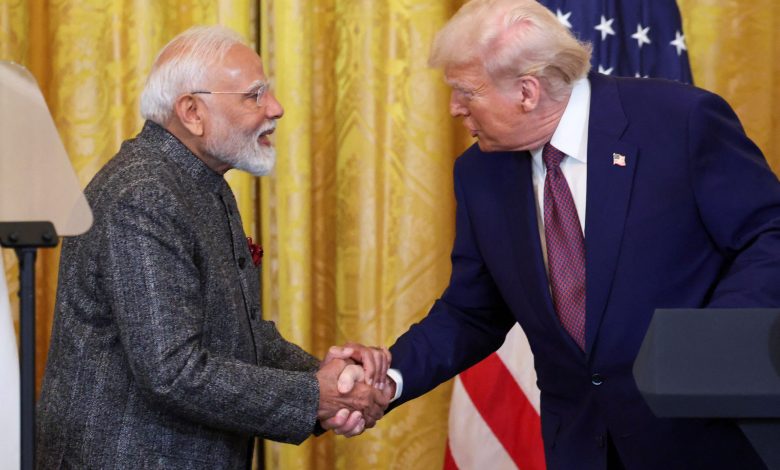
India Tariffs plummeted earlier this month after the United States and India finalized a landmark interim trade agreement on February 2, 2026. The historic pact, announced by the US Administration and Prime Minister Narendra Modi, marks a significant de-escalation in trade tensions that had gripped the global economy throughout 2025. This comprehensive deal slashes the punitive duties that had stifled bilateral commerce and reshapes the geopolitical supply chain landscape.
The 2026 US-India Trade Deal
The new framework addresses the soaring levies that had placed a heavy burden on Indian exporters. Prior to this agreement, the aggregate US tariff on Indian goods had reached a staggering 50%, driven by a combination of reciprocal duties and punitive measures linked to India’s energy procurement policies. Under the new accord, the United States has agreed to reduce the reciprocal tariff rate to 18%, effective immediately. This move is expected to revitalize trade flows between the two largest democracies, offering relief to industries that were buckling under the high-cost regime.
Major Duty Reductions Explained
The centerpiece of the agreement is the rollback of the "reciprocal tax" and the complete removal of the additional 25% punitive duty. This punitive measure was originally imposed in August 2025 in response to India’s continued purchase of Russian crude oil. With the normalization of trade relations, Indian exporters now face a significantly more competitive environment in the US market. The table below outlines the dramatic shifts in duty structures following the February 2026 announcement.
| Product Category | Previous Tariff (Jan 2026) | New Tariff (Feb 2026) | Policy Change Impact |
|---|---|---|---|
| General Exports (Textiles, Leather) | 50% (Combined) | 18% | Major Boost for Exporters |
| Loose Diamonds & Gemstones | High / Varied | 0% (Duty-Free) | Critical for Surat Market |
| Finished Diamond Jewelry | 50% | 18% | Moderate Relief |
| US Agriculture (Nuts, Fruits) | High (Retaliatory) | Reduced / Zero | US Farmers Gain Access |
| Russian Crude Oil | Sanctioned Volume | Halted | Geopolitical Shift |
Russian Oil and Energy Policy
A pivotal condition of the tariff reduction was India’s commitment to halt the purchase of Russian crude oil, a point of contention that had strained US-India relations for years. By pivoting away from Russian energy, India aligns itself more closely with Western sanctions, a move that the White House cited as the primary trigger for removing the 25% punitive levy. This strategic realignment is also set to influence the global tariff crisis, potentially setting a precedent for other nations navigating the complex web of trade wars and energy security.
Sectoral Impact Analysis
The ripple effects of the tariff cuts are being felt across multiple industries, with distinct winners emerging in both nations.
Gems, Jewelry, and Diamonds
The diamond industry is arguably the biggest beneficiary. With tariffs on loose natural diamonds and gemstones dropping to zero, and finished jewelry duties falling to 18%, the sector is poised for a sharp recovery. This is critical for India’s gem and jewelry export hubs, which had seen volumes contract in late 2025. The stability in this sector also correlates with broader commodity trends, including gold price volatility, which remains a key monitorable for investors and traders alike.
Agriculture and US Imports
In exchange for US concessions, India has agreed to lower or eliminate duties on a wide range of American agricultural products. This includes dried distillers’ grains, red sorghum, tree nuts, fresh fruits, and certain pulses. The opening of the Indian market to US farmers is expected to increase bilateral trade volumes significantly, addressing the trade imbalance concerns that had previously prompted US protective measures.
Technology and $500B Commitment
Beyond immediate tariff cuts, the deal includes a massive forward-looking commitment. India has pledged to purchase approximately $500 billion worth of US energy, aircraft, and technology products over the next five years. This aligns with the growing demand for advanced computing and hardware. As the semiconductor race heats up, supply chains involving companies like those discussed in Nvidia stock analysis will likely benefit from smoother trade channels and reduced friction in high-tech component movement.
Economic Forecast and GDP Impact
Economists have reacted positively to the news. Goldman Sachs raised its 2026 GDP growth forecast for India by 20 basis points to 6.9%, citing the improved export outlook and reduced current account deficit risks. The removal of the "tariff overhang" is expected to unleash delayed capital investments in manufacturing. For a broader perspective on global trade rules, the World Trade Organization continues to monitor these bilateral arrangements to ensure compliance with international standards.