Gaza Crisis 2026: Humanitarian and Reconstruction Update
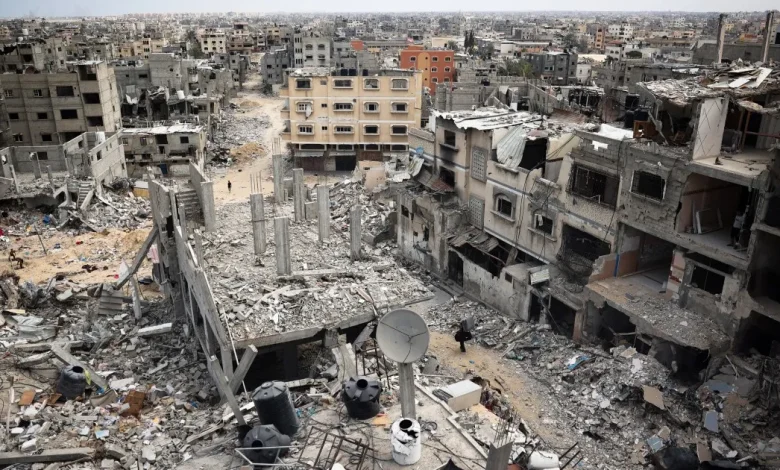
Gaza enters February 2026 facing one of the most complex reconstruction challenges in modern history, as a fragile ceasefire holds amidst staggering humanitarian needs. With the World Bank and United Nations estimating a reconstruction bill of over $53 billion, the coastal enclave remains in a critical state of recovery. The cessation of major hostilities in October 2025 brought a pause to the violence, but for the 2.3 million residents, the struggle for shelter, healthcare, and stability continues. Recent reports indicate that while aid mechanisms like the Rafah crossing have partially reopened, the pace of rebuilding is significantly hampered by logistical bottlenecks and funding gaps.
Current Humanitarian Landscape in 2026
The humanitarian situation in Gaza as of early 2026 remains precarious. Following the ceasefire that took effect on October 10, 2025, international aid organizations have attempted to scale up operations, yet access remains a primary hurdle. The United Nations reports that while food supplies have stabilized slightly compared to the peak of the crisis, malnutrition rates remain alarmingly high, particularly among children.
The reopening of the Rafah crossing for limited movement in February 2026 marked a symbolic step forward, allowing for the medical evacuation of dozens of patients. However, the flow of commercial goods is still restricted to a fraction of pre-war levels. Humanitarian agencies emphasize that without a fully open commercial corridor, dependence on aid will persist indefinitely.
The $53 Billion Reconstruction Challenge
The economic toll of the conflict is unprecedented. A joint interim assessment by the World Bank, UN, and EU has pegged the cost of reconstruction at approximately $53.2 billion over the next decade. This figure accounts for the clearing of over 40 million tons of rubble and the rebuilding of entire neighborhoods that were leveled during the conflict.
Key financial projections include:
- Immediate Recovery (Years 1-3): $20 billion needed to restore basic services and temporary shelter.
- Long-term Reconstruction (Years 4-10): $33 billion for permanent housing, infrastructure, and economic revitalization.
Infrastructure and Housing Crisis
Housing remains the most critical sector requiring intervention. The assessment indicates that housing accounts for 53% of the total physical damage in Gaza. Entire residential districts in Gaza City and Khan Yunis remain uninhabitable, forcing hundreds of thousands to remain in temporary tent cities or overcrowded shelters despite the onset of winter.
The destruction of water and sanitation networks has further complicated the recovery. As of February 2026, only partial water supply has been restored to major population centers, and sewage treatment facilities are operating at less than 30% capacity, posing severe public health risks.
Health Sector and Winter Impact
The health system in Gaza is operating on life support. Reports from February 2026 confirm that no hospital in the Strip is fully functional. Out of 36 hospitals, only 18 are partially functional, struggling with shortages of specialized equipment and electricity. The winter of 2025-2026 proved particularly deadly, with at least 11 children reported to have died from hypothermia due to inadequate shelter and lack of heating fuel.
Respiratory infections and waterborne diseases have surged, overwhelming the remaining primary healthcare centers. International medical teams have deployed field hospitals, but the demand for surgical and post-operative care far outstrips supply.
Diplomatic and Regional Context
The reconstruction of Gaza is inextricably linked to broader geopolitical shifts. The fragility of the ceasefire is influenced by changing global alliances and economic priorities. For instance, shifting global alliances and trade agreements, such as the major India-US pact of 2026, have redirected some international diplomatic focus, potentially impacting the speed of aid pledges.
Regionally, food security remains a concern. With global grain markets fluctuating, nations are reassessing their import strategies. The urgency is mirrored in other nations’ actions, such as regional food security strategies seen in North Africa, which highlight the tight supply chains that humanitarian agencies must navigate to procure essential staples for Gaza.
Gaza 2026 Key Statistics Summary
The following table summarizes the critical data points defining the status of Gaza as of February 2026.
| Category | Status / Figure (Feb 2026) |
|---|---|
| Total Casualties (Reported) | ~71,800 Killed, ~171,200 Injured |
| Reconstruction Cost | $53.2 Billion (World Bank Estimate) |
| Housing Damage | 53% of total infrastructure damage |
| Hospital Status | 0 Fully Functional, 18 Partially Functional |
| Ceasefire Date | October 10, 2025 |
| Economy Contraction | 83% (Year 2024-2025) |
As 2026 progresses, the focus remains on turning pledges into action. The international community faces a stark choice: mobilize the massive resources required for rebuilding or risk a prolonged humanitarian catastrophe that could destabilize the region for decades.