Abraham Lincoln Legacy: 2026 Perspectives on the Great Emancipator
Abraham Lincoln remains the ultimate touchstone of American democracy, a figure whose shadow looms large over the geopolitical landscape of 2026. Today, February 12, 2026, marks the 217th anniversary of his birth in a log cabin in Kentucky. While centuries have passed, the 16th President’s influence on executive power, economic resilience, and national unity is being re-examined with fresh urgency. As the United States navigates a complex political era, historians and policymakers alike are turning back to the Lincoln administration for guidance on managing a divided house.
The Historic Milestone: 217th Birthday Reflections
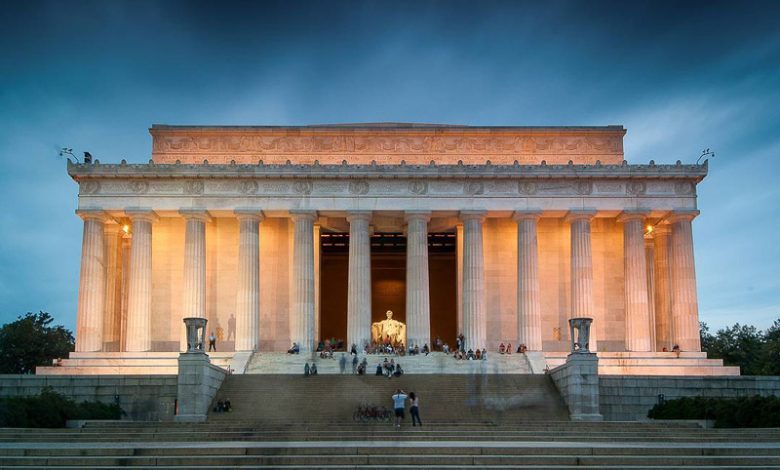
Celebrations across the nation, from the Lincoln Memorial in Washington D.C. to Springfield, Illinois, have taken on a somber yet determined tone this year. In 2026, the commemoration goes beyond ceremonial wreath-laying. It serves as a stark reminder of the fragility of the Union. New academic symposiums launched this week focus on Lincoln’s ability to navigate the "Team of Rivals," a concept that is increasingly relevant as modern governance faces unprecedented polarization.
Presidential Parallels: Lincoln and the 47th President
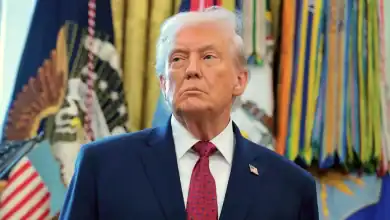
Comparing modern leadership to the giants of history is a staple of American political discourse. With the current administration shaping the mid-2020s, analysts are drawing lines between Lincoln’s wartime executive orders and contemporary executive authority. The return of Donald Trump to the White House has sparked rigorous debate regarding the scope of presidential power. For a deeper analysis of the current executive landscape, readers can examine the Donald Trump 47th President of the United States 2026 profile, which highlights how historical precedents set by Lincoln regarding habeas corpus and emergency powers are cited in modern legal arguments.
Economic Policy: From Greenbacks to 2026 Markets
Lincoln’s legacy is often dominated by the Civil War, but his economic contributions were equally foundational. The Legal Tender Act of 1862, which introduced "greenbacks," revolutionized the American monetary system, moving the country away from a strict dependency on hard currency during a crisis. This historical pivot offers a fascinating lens through which to view today’s volatile financial markets.
In 2026, as investors navigate inflation and currency fluctuations, the debate between fiat currency and precious metals continues. Just as Lincoln had to secure funding for the Union effort, modern economists are grappling with debt and value retention. Recent market behaviors, detailed in the gold price today live rates and market crash 2026 forecast, mirror the anxieties of the 1860s regarding the stability of the dollar against tangible assets.
| Policy Area | Lincoln Administration (1860s) | Modern Context (2026) |
|---|---|---|
| Monetary System | Introduction of Greenbacks (Fiat Currency) | Digital Currency & Crypto Regulation |
| Infrastructure | Transcontinental Railroad Act | AI and Green Energy Grid Expansion |
| Civil Rights | Emancipation Proclamation | Digital Privacy & Voting Rights Integrity |
| Crisis Management | Suspension of Habeas Corpus | National Emergency Declarations |
Political Rhetoric: Analyzing Unity and Division
The rhetoric used in the halls of Congress in 2026 frequently borrows from the era of Reconstruction. Phrases related to disenfranchisement and systemic inequality are weaponized by both sides of the aisle. The intensity of this language often draws comparisons to the bitter divides of the 19th century.
Recent legislative standoffs have seen a resurgence of charged historical terminology. For instance, debates surrounding voting integrity acts have led to accusations of regressive policies. This dynamic is explored further in reports regarding Schumer’s Jim Crow rhetoric on the Save Act, where the memory of the post-Lincoln era is invoked to criticize modern legislative maneuvers. Lincoln’s Second Inaugural Address, with its call to "bind up the nation’s wounds," stands in stark contrast to the hyperbole currently dominating the Senate floor.
Digital Preservation: Unveiling the 2026 Lincoln Archives
Technology in 2026 has allowed for a deeper understanding of Lincoln through the digitization of previously fragile documents. The "Lincoln 2026 Project" has utilized AI to decipher illegible handwriting in personal diaries and telegraphs from the War Department. These findings provide a more nuanced view of his mental state during the darkest days of 1864.
Researchers are now able to cross-reference troop movements with Lincoln’s personal correspondence in real-time. For authentic primary sources, the Library of Congress Abraham Lincoln Papers remains the definitive digital repository for scholars and the public alike.
The Future of Lincoln Studies
As the nation moves deeper into the latter half of the 2020s, the study of Abraham Lincoln evolves from static history to a dynamic framework for leadership analysis. His ability to maintain a center of gravity amidst the centrifugal forces of secession offers a timeless blueprint. Whether through the lens of economic policy, executive power, or civil discourse, the 16th President remains an active participant in the American story of 2026.