A Knight of the Seven Kingdoms: HBO Series Revives Westerosi Peril
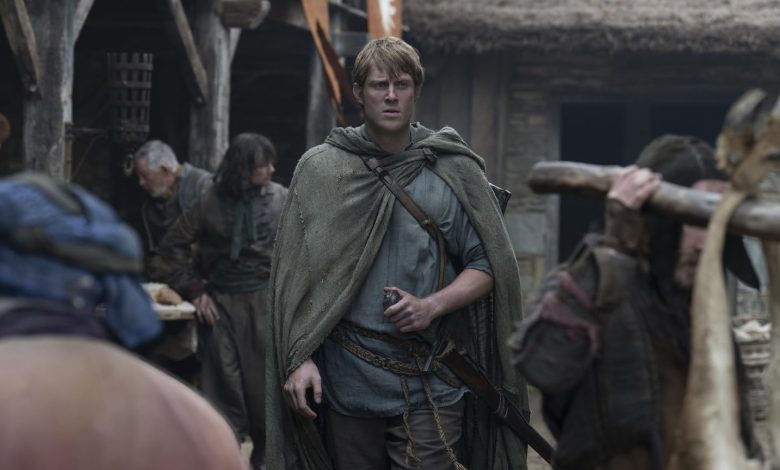
Table of Contents
A Knight of the Seven Kingdoms has officially reignited the global obsession with Westeros, reminding audiences that in the game of thrones, even the noblest players are not safe. As of February 16, 2026, the discussion dominating social media feeds and office watercoolers centers on the shattering events of Episode 5, "In the Name of the Mother." HBO’s latest prequel series, which premiered in January 2026, initially promised a lighter, more intimate look at the Targaryen dynasty through the eyes of Ser Duncan the Tall (Dunk) and his squire, Egg. However, the recent broadcast of the legendary Trial of Seven has swiftly dispelled any notion that this series lacks the visceral, gut-wrenching stakes of its predecessors.
While House of the Dragon focused on the fire and blood of civil war, A Knight of the Seven Kingdoms operates on a smaller scale that feels paradoxically more dangerous. The death of Prince Baelor Breakspear—accidental, tragic, and politically catastrophic—serves as the series’ "Ned Stark moment," proving that narrative armor protects no one. This article delves deep into the significance of this event, the production’s mastery of tension, and how the series restores the feeling of genuine peril to the franchise.
The Return of High-Stakes Consequences
For weeks, viewers have been lulled into a sense of camaraderie and adventure. The dynamic between Peter Claffey’s Dunk and Dexter Sol Ansell’s Egg offered a warmth rarely seen in George R.R. Martin’s universe. Yet, the showrunners utilized this comfort to maximize the impact of the violence that erupted at Ashford Meadow. The narrative genius lies in the transition from a low-stakes tourney dispute to a dynastic tragedy.
Unlike the dragon-fueled carnage of earlier series, the conflict here arose from a simple act of decency: a hedge knight defending a puppeteer. This grounded premise made the escalation to a Trial of Seven—a combat involving fourteen knights—feel overwhelmingly tense. The consequences of this trial reverberate far beyond the meadow, illustrating how the personal honor of one man can shift the trajectory of an empire. In a media landscape where streaming giants fight for retention—a topic explored in our analysis of Yahoo’s strategic rebirth in 2026—HBO has once again proven that character-driven tragedy is the ultimate engagement tool.
Anatomy of the Trial of Seven
Episode 5 displayed a masterclass in choreography and storytelling. The Trial of Seven is a rare legal proceeding in Westeros, invoked only when the honor of the royal family is entangled with the Faith. The breakdown of the combatants was not merely a list of names but a clash of ideologies: the ruthless arrogance of Prince Aerion Brightflame versus the humble integrity of Ser Duncan.
The choreography avoided the stylized, dance-like fighting often seen in fantasy. Instead, it embraced the chaotic, mud-soaked brutality of medieval melee. Viewers felt the weight of the plate armor and the desperation of the blows. The sound design, particularly the crunching of maces against shields, grounded the fantasy in a grim reality. It served as a stark distraction from real-world anxieties, such as the ongoing government shutdown debates of 2026, offering a different kind of stress that audiences strangely crave.
Combatant Roster and Outcomes
To understand the scale of the tragedy, one must look at the lineup. The sheer imbalance of political power on the field was staggering.
| Faction | Key Combatant | Status / Rank | Fate in Trial |
|---|---|---|---|
| Defenders (Team Dunk) | Ser Duncan the Tall | Hedge Knight | Survived (Victorious) |
| Defenders (Team Dunk) | Prince Baelor Targaryen | Crown Prince / Hand of the King | Deceased (Blow to head) |
| Defenders (Team Dunk) | Ser Lyonel Baratheon | Lord of Storm’s End (Heir) | Survived (The Laughing Storm) |
| Accusers (Team Aerion) | Prince Aerion Targaryen | Prince of the Blood | Yielded (Disgraced) |
| Accusers (Team Aerion) | Prince Maekar Targaryen | Prince of Summerhall | Survived (Kinslayer by accident) |
| Accusers (Team Aerion) | Ser Steffon Fossoway | Knight | Survived (Turncloak) |
The Tragedy of Baelor Breakspear
The death of Prince Baelor Breakspear is the emotional anchor of the season. Played with charismatic gravitas by Bertie Carvel, Baelor represented the "King Who Should Have Been." He was just, strong, and devoid of the madness that plagues his bloodline. His decision to fight for Dunk was the ultimate act of chivalry, declaring that true knighthood respects valor over birthright.
The tragedy is compounded by the manner of his death. It was not a dragon or an assassin that killed him, but a stray blow from his own brother, Maekar, in the confusion of the melee. The reveal—when Baelor removes his helm to show the catastrophic injury before collapsing—is a cinematic image that will define television in 2026. This moment mirrors the shock of the Red Wedding but with a more melancholic undertone. The realm did not just lose a man; it lost its best future. The sorrow of Maekar, who must now live with the guilt of kinslaying, adds a Shakespearean layer to the drama that elevates the series above standard fantasy fare.
Casting the Legends of Westeros
A Knight of the Seven Kingdoms succeeds largely due to its impeccable casting. Peter Claffey captures the physical imposition of Dunk (standing nearly seven feet tall) while maintaining the character’s "thick as a castle wall" innocence. His chemistry with Dexter Sol Ansell (Egg) provides the heart that makes the violence bearable. Their dynamic is the lens through which the audience views the Targaryen gods.
Finn Bennett’s portrayal of Aerion Brightflame deserves special mention. He embodies the petulant, dangerous madness that eventually consumes the dynasty. His performance makes the audience physically recoil, justifying Dunk’s violent retaliation in the mud. Meanwhile, the production values—filmed on location with practical sets rather than reliance on The Volume—give the show a tactile, earthy texture distinct from the polished look of House of the Dragon. This return to practical filmmaking aligns with broader entertainment trends in 2026, where audiences are craving authenticity, much like the hype surrounding the raw athletic spectacles of the 2026 Winter Olympics in Milano-Cortina.
Ripple Effects on the Targaryen Dynasty
For lore enthusiasts, Baelor’s death is the first domino in a chain leading to Game of Thrones. Had Baelor lived, he would have ascended the throne, likely stabilizing the realm for generations. His line would have continued, and the crown would never have passed to Maekar, and subsequently to Egg (Aegon V). It is Egg’s ascension that eventually leads to the tragedy at Summerhall and the line of the Mad King, Aerys II.
Therefore, the events of Episode 5 are not just a sad plot twist; they are the catalyst for the fall of House Targaryen. The show does an excellent job of subtly nodding to this future without bogging down the narrative in exposition. The sorrowful realization that the best kings are often the ones who never sit on the throne is a thematic through-line connecting Baelor to figures like Rhaegar and Robb Stark. This historical weight adds a layer of doom to the remaining episodes, as fans know that despite the lighter tone, the golden age is beginning to fracture.
Comparing Eras: Dunk & Egg vs. Game of Thrones
Critically, A Knight of the Seven Kingdoms distinguishes itself by scaling down. There are no armies marching, no cities burning, and no white walkers (yet). The conflict is intimate. A broken finger or a stolen shield matters here. This scaling down allows for character deaths to hit harder. In Game of Thrones, death often came in waves; here, a single death stops the world.
The financial implications for Warner Bros. Discovery are also significant. Producing a show with fewer dragons but equal critical acclaim is a massive win for the studio’s bottom line, especially in a volatile economic climate where investors are watching every move, similar to the fluctuations tracking in the gold markets of early 2026. The success of this "smaller" show proves the franchise’s durability lies in its writing, not just its CGI budget.
The Future: The Sworn Sword and Beyond
With the season finale, "The Morrow," approaching on February 22, 2026, HBO has already confirmed the renewal for Season 2. The next chapter will adapt The Sworn Sword, taking Dunk and Egg to the Reach to deal with the fallout of the Blackfyre Rebellions and a drought that tests the realm. The confirmed return of the creative team ensures that the delicate balance of humor and horror will continue.
As we bid farewell to Baelor Breakspear, the road ahead for Dunk and Egg is fraught with more peril. They are no longer anonymous travelers; they are history-makers, burdened by the ghosts of Ashford Meadow. For fans, the return to Westeros has been a triumphant, if heartbreaking, journey, reaffirming that in this universe, the sharpest blade is often fate itself. For further reading on the lore of these novellas, the official blog of George R.R. Martin remains the primary source for insights into the text that started it all.