iPhone 18 Pro Hardware and Camera Overhaul: 2026 Rumors Analyzed
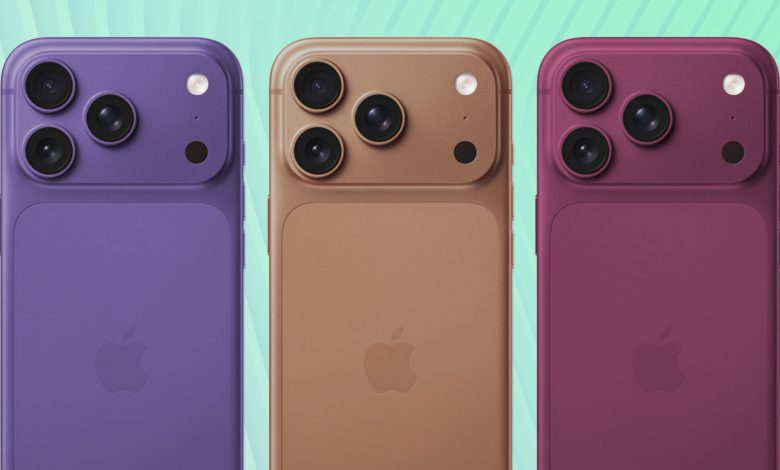
Table of Contents
- A20 Pro Chip: The 2nm Silicon Revolution
- Under-Display Face ID: Evolution of the Dynamic Island
- Camera System: Mechanical Variable Aperture Arrives
- Apple C2 Modem and the Satellite 5G Era
- Technical Comparison: iPhone 17 Pro vs. iPhone 18 Pro
- Battery Architecture and Thermal Management
- Software Synergy: iOS 20 and On-Device AI
- Market Impact and September 2026 Release
iPhone 18 Pro rumors have reached a fever pitch as we navigate the early months of 2026, offering a clear glimpse into what promises to be one of Apple’s most significant hardware overhauls in a decade. While the iPhone 17 series introduced iterative refinements, the supply chain leaks surrounding the 2026 lineup suggest a fundamental architectural shift. From the introduction of the industry’s first 2-nanometer silicon to a mechanical reimagining of mobile photography, the iPhone 18 Pro is shaping up to be a device defined by physical innovation rather than just software optimization. Analysts like Jeff Pu and insiders from the Asian component supply chain have provided a roadmap that points toward a September 2026 launch focused on efficiency, optical precision, and connectivity independence.
A20 Pro Chip: The 2nm Silicon Revolution
At the heart of the iPhone 18 Pro lies the A20 Pro processor, a chip that represents a watershed moment in semiconductor history. Reports indicate that Apple has secured the majority of TSMC’s initial capacity for its N2 (2nm) fabrication process. Unlike the 3nm nodes used in the A17, A18, and A19 generations, the move to 2nm utilizes nanosheet transistor technology, also known as Gate-All-Around (GAA) FETs. This architecture allows for superior control over current flow, significantly reducing leakage and improving performance per watt.
The A20 Pro is expected to deliver a 15% increase in raw CPU speeds compared to its predecessor, but the true headline is a projected 30% improvement in energy efficiency. For power users, this translates to sustained peak performance without the thermal throttling that has plagued high-end mobile gaming and video rendering in recent years. Furthermore, the chip is rumored to utilize Wafer-Level Multi-Chip Module (WMCM) packaging, allowing for tighter integration of memory and logic.
To support the ballooning requirements of on-device generative AI, the iPhone 18 Pro will reportedly standardize 12GB of LPDDR5X RAM across all Pro models. This memory bump is essential for loading large language models (LLMs) directly into the neural engine, bypassing the latency of cloud processing. As tech giants battle for AI dominance—a landscape detailed in our analysis of Google’s 2026 AI ecosystem strategies—Apple’s hardware-first approach aims to keep sensitive data processing strictly on-device, leveraging the massive bandwidth of the A20 Pro.
Under-Display Face ID: Evolution of the Dynamic Island
The aesthetic evolution of the iPhone 18 Pro is centered on the display. After years of the pill-shaped Dynamic Island, 2026 is tipped to be the year Apple successfully moves critical Face ID components beneath the OLED panel. Supply chain reports suggest that the flood illuminator and infrared dot projector have been redesigned to transmit effectively through the display matrix without compromising security authentication speeds.
This technological leap allows for a drastically reduced visual footprint for the front-facing camera system. While earlier rumors hoped for a completely uninterrupted display, the consensus for the iPhone 18 Pro settles on a single, smaller circular cutout for the 24MP selfie camera. This transition marks the beginning of the end for the Dynamic Island as a physical necessity, transforming it entirely into a software UI element.
The implications for screen real estate are subtle but significant, offering a more immersive experience for media consumption. However, moving biometric sensors under the display raises questions about repairability and screen replacement costs. It also intersects with broader conversations about digital privacy and the security of biometric data, a topic currently under scrutiny as the Supreme Court reviews geofence warrants and digital data rights in 2026.
Camera System: Mechanical Variable Aperture Arrives
Perhaps the most "Pro" feature slated for the iPhone 18 Pro is the introduction of a mechanical variable aperture on the main wide-angle lens. For years, smartphones have relied on fixed apertures (typically around f/1.78) and computational photography to simulate depth of field. The iPhone 18 Pro breaks this trend by incorporating a physical iris mechanism capable of switching between f/1.5 and f/2.4.
This hardware upgrade offers two distinct advantages. First, at f/1.5, the sensor can gather immense amounts of light for low-light photography, creating natural, optical bokeh (background blur) that software cannot perfectly replicate. Second, by stopping down to f/2.4, photographers can achieve a deeper depth of field, ensuring that groups of people or landscapes are sharp from front to back. This is particularly crucial for document scanning and macro photography, where fixed wide apertures often result in unwanted blurring at the edges of the frame.
Rumors also suggest a major supply chain shift, with Apple potentially sourcing 3-layer stacked sensors from Samsung for the first time, ending a long exclusive run with Sony. This new sensor architecture separates the photodiode and transistor layers, maximizing light capture and reducing noise. Coupled with an upgraded 48MP telephoto lens with a faster aperture, the iPhone 18 Pro camera system is designed to compete with dedicated mirrorless cameras.
Apple C2 Modem and the Satellite 5G Era
The iPhone 18 Pro is expected to be the launch vehicle for the high-performance Apple C2 modem. After years of development hell and reliance on Qualcomm, Apple’s in-house 5G silicon is finally ready for the flagship stage. The C2 modem is not just about cost-saving; it is integral to the A20 Pro’s efficiency, promising deeper integration with iOS power management protocols.
More importantly, leaks from "Fixed Focus Digital" indicate that the C2 modem supports NR-NTN (New Radio Non-Terrestrial Networks). unlike the current Emergency SOS via satellite, NR-NTN support could theoretically allow for data transmission and web browsing directly via satellite constellations when cellular towers are out of range. This aligns with the broader industry push toward ubiquitous connectivity, ensuring that users remain online even in the most remote environments.
In addition to the modem, the device will feature the Apple N2 wireless chip, enabling Wi-Fi 7 and Bluetooth 6 support. These standards offer lower latency and higher throughput, essential for the high-fidelity transmission required by the Vision Pro headset ecosystem. The synergy between the C2 modem and N2 chip positions the iPhone 18 Pro as a central hub for the "Always-Connected" future, a concept we explore in our analysis of Meta’s connectivity pivots in 2026.
Technical Comparison: iPhone 17 Pro vs. iPhone 18 Pro
To visualize the generational leap, we have compiled a comparison of the key specifications based on current high-confidence leaks.
| Feature | iPhone 17 Pro (2025) | iPhone 18 Pro (2026 Rumored) |
|---|---|---|
| Processor | A19 Pro (3nm TSMC N3P) | A20 Pro (2nm TSMC N2) |
| RAM | 8GB LPDDR5 | 12GB LPDDR5X |
| Main Camera | 48MP Fixed Aperture (f/1.78) | 48MP Variable Aperture (f/1.5 – f/2.4) |
| Front Design | Dynamic Island (Pill + Hole) | Under-Display Face ID (Single Punch Hole) |
| Modem | Qualcomm Snapdragon X80 | Apple C2 In-House Modem |
| Connectivity | Wi-Fi 7 / Bluetooth 5.4 | Wi-Fi 7 / Bluetooth 6 / NR-NTN Satellite |
| Battery Capacity | ~4,800 mAh (Pro Max) | ~5,200 mAh (Pro Max) |
| Chassis | Grade 5 Titanium | Refined Titanium with improved thermal dissipation |
Battery Architecture and Thermal Management
With great power comes the need for great thermal regulation. The iPhone 15 and 16 Pro models faced criticism for heat generation under load. For the iPhone 18 Pro, Apple is reportedly implementing a stacked battery technology similar to that used in electric vehicles. This allows for higher energy density without increasing the physical volume of the cell. Leaks suggest the iPhone 18 Pro Max could feature a massive 5,200 mAh battery, which, when combined with the 2nm A20 chip, could genuinely deliver a "two-day" battery life.
To manage the heat from the modem and processor, a new graphene thermal system and an expanded vapor chamber are expected. This is critical not just for gamer comfort, but for sustaining the high brightness levels of the display (rumored to peak at 3000 nits) and ensuring the longevity of the battery health. As detailed in reports on advanced climate modeling requiring on-edge compute, efficient thermal management is the bottleneck for mobile processing power.
Software Synergy: iOS 20 and On-Device AI
The hardware of the iPhone 18 Pro cannot be viewed in isolation from iOS 20. The 2026 operating system is expected to be the first fully "AI-Native" OS from Apple. The 12GB of RAM is specifically provisioned to run complex agents that can navigate apps on behalf of the user. Unlike the cloud-reliant implementations of competitors, the iPhone 18 Pro’s neural engine will handle voice synthesis, image generation, and real-time translation locally.
This "Intelligent Edge" strategy relies heavily on the memory bandwidth provided by the A20 Pro. Rumors indicate that iOS 20 will unlock exclusive camera features for the 18 Pro, such as AI-driven video object removal that occurs instantly during recording, rather than in post-processing. This capability requires the synchronized throughput of the ISP (Image Signal Processor) and the NPU (Neural Processing Unit), a feat only possible with the 2nm architecture.
Market Impact and September 2026 Release
The iPhone 18 Pro is slated for a traditional launch in September 2026. However, the market context will be different. Rumors persist of an "iPhone Fold" launching alongside the Pro lineup, creating a new ultra-premium tier. This segmentation allows the iPhone 18 Pro to focus on being the ultimate slab-style smartphone without compromising durability for foldability.
Pricing remains a contentious topic. The transition to TSMC’s 2nm nodes is expensive, and the mechanical camera components add bill-of-materials cost. Analysts predict a potential $100 price hike, pushing the starting price of the Pro model to $1,099 and the Pro Max to $1,299. Despite this, the allure of the hardware overhaul—specifically the camera and battery gains—is expected to drive a "super-cycle" of upgrades, particularly from users still holding onto iPhone 14 or 15 devices. For more insights on global tech trends impacting this release, external resources like MacRumors’ future iPhone roundups offer continual updates on supply chain fluctuations.