Winter Olympics 2026: Milano Cortina Guide, Venues & Schedule
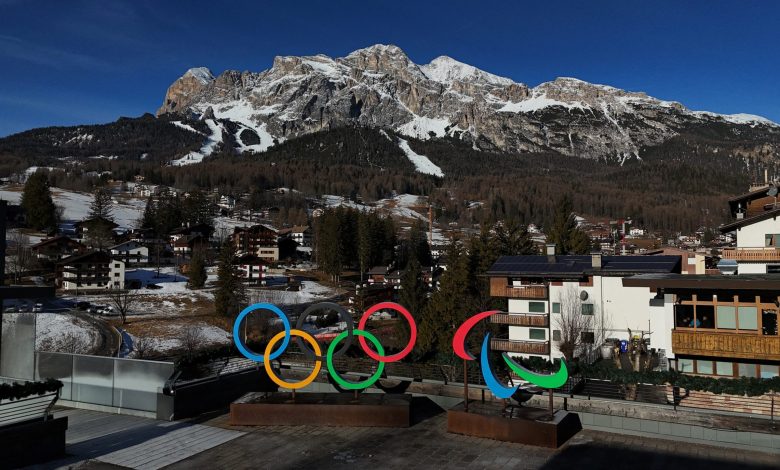
Winter Olympics 2026 marks a historic return to Europe’s traditional alpine heartland, as Milan and Cortina d’Ampezzo prepare to co-host the XXV Olympic Winter Games. Scheduled to take place from February 6 to February 22, 2026, this event represents a significant shift towards sustainable hosting models, utilizing existing infrastructure across northern Italy. With the highly anticipated return of National Hockey League (NHL) players and the introduction of ski mountaineering as a new sport, the Milano Cortina Games are poised to redefine the winter sports landscape.
The Return to Italy: Milano Cortina 2026 Overview
For the first time in Olympic history, the Games will be officially named after two host cities. The dual-city hosting model allows Italy to leverage the metropolitan grandeur of Milan for ice sports and the rugged, scenic terrain of the Dolomites in Cortina for alpine events. The Opening Ceremony is set for the iconic San Siro Stadium in Milan, while the Closing Ceremony will grace the historic Verona Arena, a Roman amphitheater. This decentralized approach aligns with the International Olympic Committee’s (IOC) Agenda 2020 reforms, aiming to reduce the financial burden on host nations by maximizing the use of legacy venues.
Key Dates and Official Competition Schedule
The sporting action begins even before the Opening Ceremony, with preliminary rounds in curling and ice hockey facing off in early February. The core 16-day period will feature 116 medal events across 16 disciplines. Highlights include the Men’s Downhill on the legendary Stelvio slope in Bormio and the Figure Skating finals at the Mediolanum Forum. Viewers should mark their calendars for the middle weekend, traditionally known as “Super Saturday,” where multiple gold medals will be decided in speed skating, alpine skiing, and snowboarding.
Venues Across Milan and Cortina d'Ampezzo
The 2026 Games are spread across a vast geographical area covering over 22,000 square kilometers. The clusters are divided into Milan (Ice Hockey, Figure Skating, Short Track), Valtellina (Alpine Skiing, Ski Mountaineering, Snowboard), Val di Fiemme (Ski Jumping, Cross-Country, Nordic Combined), and Cortina d’Ampezzo (Women’s Alpine Skiing, Curling, Sliding Sports). This distribution requires robust logistical planning to transport athletes and spectators between the city centers and mountain resorts.
Data Table: Key Venues and Sports Allocation
Below is a summary of the primary venues being utilized for the 2026 Games, highlighting the blend of metropolitan arenas and alpine resorts.
| Venue Name | Location | Sport / Event | Capacity (Approx.) |
|---|---|---|---|
| San Siro Stadium | Milan | Opening Ceremony | 75,000 |
| Verona Arena | Verona | Closing Ceremony | 15,000 |
| PalaItalia Santa Giulia | Milan | Ice Hockey (Men) | 15,000 |
| Mediolanum Forum | Milan | Figure Skating, Short Track | 12,700 |
| Olympia delle Tofane | Cortina | Alpine Skiing (Women) | Legacy Venue |
| Stelvio Slope | Bormio | Alpine Skiing (Men) | Legacy Venue |
| Cortina Sliding Centre | Cortina | Bobsleigh, Skeleton, Luge | 7,000 |
The Return of NHL Players to Olympic Ice
One of the biggest storylines for the Winter Olympics 2026 is the confirmed participation of NHL players. After missing the 2018 and 2022 Games, the world’s best hockey talent will once again compete for gold. This agreement between the NHL, NHLPA, IIHF, and IOC ensures that superstars like Connor McDavid and Auston Matthews will represent their nations. The tournament is expected to rival the intensity of the 2010 and 2014 Games, drawing massive global viewership comparable to major North American sporting events.
Weather Challenges and Sustainable Snow Tech
Climate reliability remains a critical factor for winter sports. Organizers are deploying advanced snow-farming techniques and AI-driven weather modeling to ensure optimal conditions. As detailed in our report on weather forecasting in 2026, the integration of meteorological data is vital for scheduling alpine events in an era of unpredictable climate patterns. The Games aim to be carbon-neutral, with a heavy reliance on renewable energy sources from the Alpine region.
Athletes to Watch in 2026
Beyond the hockey rinks, the slopes will feature the next generation of winter icons. In alpine skiing, the competition remains fierce as veterans defend titles against rising European stars. Figure skating will see a new era of technical artistry, while the inclusion of Ski Mountaineering (Skimo) offers a stage for endurance athletes accustomed to the grueling vertical ascents of the Dolomites. American fans will be keeping a close eye on the NBA season overlap, but the winter spectacle promises its own unique heroes.
Ticket Information and Travel Guide
Ticket sales operate on a lottery system followed by a first-come, first-served phase. Given the dispersed nature of the venues, travelers are advised to book accommodation well in advance, choosing a base in either Milan for city events or the mountain villages for snow sports. Italy’s high-speed rail network will play a crucial role in connecting Milan to the northern regions, reducing the carbon footprint of spectator travel.
The 2026 Sports Landscape
The year 2026 is a monumental year for sports. Just weeks before the opening ceremony in Milan, the United States will host another massive event. For a comparison of sporting magnitude, read our guide on the Super Bowl 2026, which sets the stage for a jam-packed Q1 sports calendar. The Winter Olympics 2026 serves as the global centerpiece, uniting nations through the spirit of competition in one of the world’s most picturesque settings.
For more official details, visit the International Olympic Committee website.