Department of Education 2026 News: FAFSA & Budget Updates
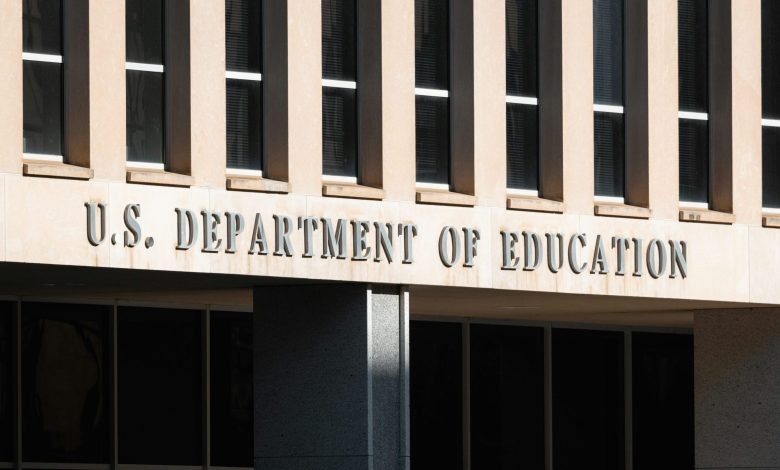
Department of Education leadership unveiled a comprehensive strategic framework this Wednesday, outlining the federal priorities for the 2026-2027 academic year. As the educational landscape shifts under the weight of technological advancement and fiscal scrutiny, the agency is prioritizing the stabilization of financial aid systems and the integration of next-generation learning tools.
This announcement comes at a pivotal moment, with stakeholders across the nation awaiting clarity on federal funding streams and regulatory changes. The following analysis breaks down the core components of the new directive, from the modernized FAFSA rollout to the impact of pending government spending bills.
Strategic Vision 2026: A Focus on Accessibility
The overarching theme of the 2026 agenda is "Streamlined Access." Officials acknowledged the challenges faced during previous cycles and have committed to reducing administrative burdens for institutions and families alike. The roadmap emphasizes data-driven decision-making to allocate resources where they are most needed, particularly in underfunded districts.
FAFSA Modernization Efforts
One of the most critical updates concerns the Free Application for Federal Student Aid (FAFSA). After a series of technical hurdles in previous years, the Department of Education is launching a "stress-tested" platform for the 2026-2027 cycle. The goal is to ensure 99.9% uptime during peak filing periods.
Direct Data Exchange with the IRS
To further simplify the process, the new system enhances the Direct Data Exchange (DDX) with the Internal Revenue Service. This integration allows for the automatic population of income data, significantly reducing verification errors. For families navigating the complexities of the tax filing 2026 season, this synchronization aims to bridge the gap between tax returns and aid eligibility seamlessly.
Budgetary Allocations & Funding
The release of the President’s budget proposal for the fiscal year has sparked debate regarding discretionary spending caps. The Department is advocating for increased Pell Grant maximums to keep pace with inflation, though these proposals face a divided legislature.
Looming fiscal deadlines add urgency to these negotiations. As analyzed in recent reports on the potential government shutdown 2026 scenarios, funding lapses could delay grant disbursements. Department officials have stated they are preparing contingency plans to protect essential student services should a legislative impasse occur.
| Key Initiative | 2025 Allocation (Est.) | 2026 Proposal | Primary Goal |
|---|---|---|---|
| Pell Grant Max Award | $7,395 | $8,100 | Offset tuition inflation |
| Title I Funding | $18.4 Billion | $19.2 Billion | Support low-income districts |
| IDEA Special Education | $14.2 Billion | $15.0 Billion | Enhance special ed resources |
| EdTech State Grants | $1.1 Billion | $1.4 Billion | Accelerate AI integration |
Technological Integration in Schools
A significant portion of the new budget is earmarked for the "Classroom of the Future" initiative. This program seeks to equip schools with the infrastructure necessary to support artificial intelligence and adaptive learning platforms. The Department is moving beyond basic connectivity, focusing now on how digital tools can personalize education.
Furthermore, as classrooms become increasingly diverse, technology plays a vital role in bridging language barriers. Advanced translation tools are being piloted to support ESL students, reflecting broader trends in the future of translation 2026, where AI assists human educators in delivering real-time, multilingual instruction.
Student Loan Policy Shifts
Repayment plans continue to evolve. The Department is refining the terms of Income-Driven Repayment (IDR) plans to prevent ballooning interest for low-income borrowers. New regulations are expected to be published in the Federal Register later this quarter, aimed at codifying forgiveness pathways for public servants and those defrauded by predatory institutions.
For detailed regulatory texts and official announcements, readers can consult the official Department of Education website.
Global Education Competitiveness
The final pillar of the 2026 strategy addresses global competitiveness. With international benchmarks rising, the U.S. is investing in STEM (Science, Technology, Engineering, and Math) pipelines starting at the elementary level. This includes partnerships with private sector leaders to ensure that the curriculum aligns with the workforce needs of the future economy.