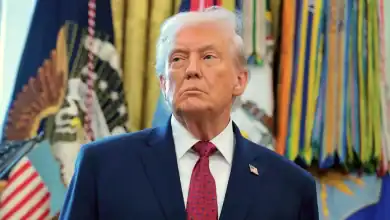
Donald Trump 2026: Greenland Tariffs and DOGE Reform Impact
Donald Trump remains the central force in global politics as February 2026 unfolds, driving a transformative and controversial agenda that has reshaped American foreign policy and domestic economics. From the aggressive push to acquire Greenland to the radical restructuring of federal agencies under the Department of Government Efficiency (DOGE), the administration is moving at a breakneck pace. This report analyzes the key pillars of the Trump presidency in 2026, examining how specific executive actions are impacting trade, diplomacy, and the national discourse.
The Greenland Purchase and Tariff Escalation
The administration’s renewed interest in the Arctic has culminated in a high-stakes diplomatic and economic standoff. Early in the year, the White House announced a series of punitive import duties aimed at leveraging negotiations for the acquisition of strategic northern territories. This move has triggered significant market volatility, particularly affecting shipping and raw material sectors. Analysts suggest that the Greenland tariffs and the 2026 trade crisis are not merely about land acquisition but about securing rare earth minerals essential for the tech and defense industries.
International allies have reacted with concern, viewing these tariffs as a departure from traditional trade agreements. However, the administration argues that American sovereignty and resource independence must take precedence. The aggressive posture has forced global markets to adjust, with supply chains rapidly diversifying to avoid the crossfire of this new economic front.
Secretary Rubio and the New Diplomatic Doctrine
At the helm of the State Department, Marco Rubio has been instrumental in translating the President’s vision into actionable foreign policy. The “America First” doctrine has evolved into a more pragmatic, albeit assertive, strategy under his guidance. Rubio’s dual role in managing diplomatic relations while overseeing intelligence integration has defined the administration’s approach to global conflicts. His tenure has been marked by a pivot towards countering influence in the Western Hemisphere and solidifying alliances based on bilateral transactionalism.
Observers note that Marco Rubio as the dual-hat Secretary of State has effectively streamlined decision-making, allowing for rapid responses to emerging geopolitical threats. This consolidation of power has been pivotal in managing the fallout from the Greenland negotiations and maintaining stability in other volatile regions.
Radical Fiscal Reform Under DOGE
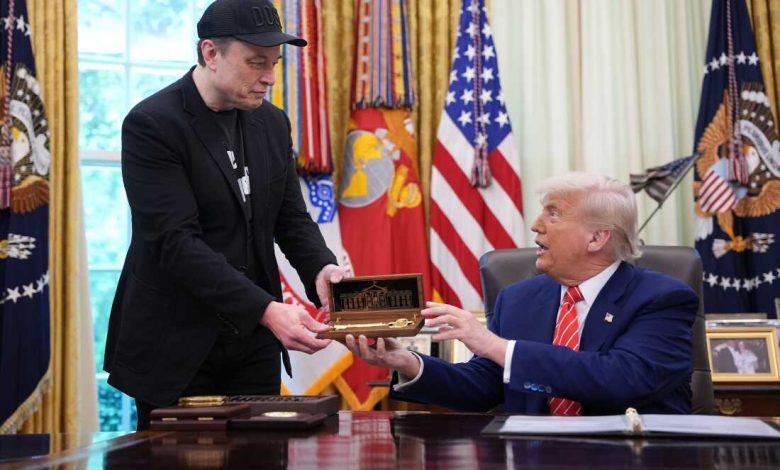
Domestically, the administration’s focus is squarely on reducing the federal footprint. The Department of Government Efficiency, led by Elon Musk and Vivek Ramaswamy, has begun its systematic audit of federal spending. The initiative aims to slash bureaucracy and deregulate industries to spur innovation. The sheer scale of the proposed cuts has sparked intense debate regarding the sustainability of essential services, yet the administration touts the initial savings as proof of concept.
The mandate of the Department of Government Efficiency (DOGE) extends beyond simple budget cuts; it seeks to fundamentally restructure how the government operates, leveraging AI and automation to replace outdated administrative functions. This digital transformation is viewed by supporters as the only way to tackle the national debt, while critics fear the erosion of institutional knowledge.
Navigating Political Tragedies and Scandals
The political landscape of 2026 has been marred by violence and resurrected controversies. The administration has had to navigate the profound shock following the loss of prominent supporters, which has galvanized the base while simultaneously deepening the partisan divide. The assassination of key figures has led to a hardened stance on domestic security and a rallying cry for political unity among supporters.
The legacy of Charlie Kirk and the impact on the MAGA youth movement remains a significant undercurrent in the year’s political narrative. His absence has left a vacuum in conservative activism that the administration is keenly aware of, influencing their communication strategies and outreach to younger voters.
The Epstein Files Standoff
Simultaneously, the administration faces pressure regarding transparency and historical accountability. The renewed scrutiny over sealed documents has reached a fever pitch, with congressional committees demanding full disclosure. The public demand for truth has put the White House in a delicate position, balancing national security interests with the promise of draining the swamp. The committee breaking point on Epstein files suggests that 2026 may finally be the year that long-hidden secrets are brought to light, potentially implicating a wide network of global elites.
2026 Policy Impact Summary
The following table outlines the major policy shifts occurring under the current administration compared to previous strategic priorities.
| Policy Area | 2024 Strategy | 2026 Trump Agenda |
|---|---|---|
| Fiscal Policy | Inflation Reduction | DOGE Audits & Aggressive Cuts |
| Foreign Affairs | Multilateral Alliances | Bilateral Deals & Greenland Acquisition |
| Trade | Protectionism (China) | Global Tariffs (Resource Security) |
| Diplomacy | Traditional State Dept. | Rubio’s Integrated “Dual-Hat” Role |
| Transparency | Status Quo | Forced Disclosure (Epstein Files) |
Future Outlook
As 2026 progresses, Donald Trump’s presidency is defined by high-risk, high-reward maneuvers. From rewriting the rules of international trade to attempting the most ambitious government overhaul in history, the outcomes of these policies will resonate for decades. For more official updates on executive actions, readers can visit the White House Briefing Room.