King Abdullah II Leads Jordan’s 2026 Diplomatic & Economic Strategy
King Abdullah II stands at the center of a pivotal transformation for the Hashemite Kingdom as February 2026 marks the launch of the second executive phase of the Economic Modernization Vision. With the Middle East facing continued geopolitical recalibration, the Monarch’s dual focus on aggressive diplomatic engagement and internal structural reform aims to insulate Jordan from regional volatility while securing its fiscal future. Following a year of intense diplomacy—logging 46 official foreign visits in 2025—the King’s 2026 agenda prioritizes cementing Jordan’s role as a stabilizer in the Levant and a hub for green energy innovation.
The 2026 Diplomatic Strategy: Navigating Regional Turmoil
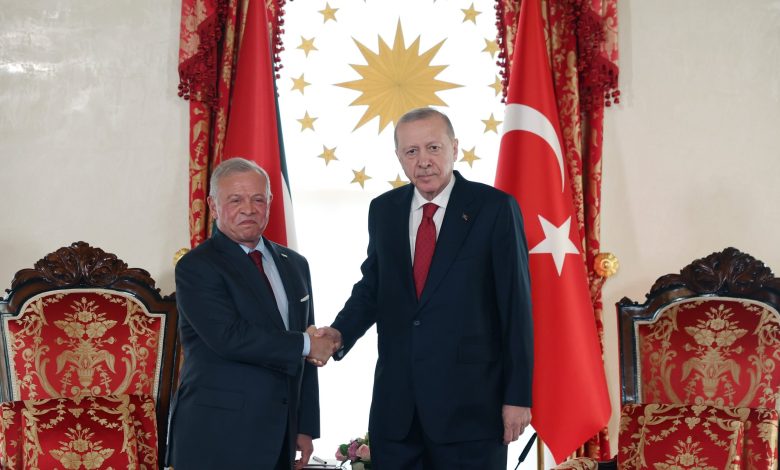
Entering the first quarter of 2026, King Abdullah II has intensified efforts to mediate ongoing tensions in the West Bank and Gaza. His February visit to Türkiye to meet with President Erdoğan underscores a renewed commitment to a unified regional stance on Palestinian rights and humanitarian access. This follows high-level meetings in January with Qatari leadership and a historic summit with Indian Prime Minister Modi in late 2025, which celebrated 75 years of bilateral ties.
The Monarch’s strategy relies on diversification. By balancing traditional alliances with the United States and Europe against deepening ties with Asian powers, Jordan seeks to maintain its sovereignty in a polarized world. This approach mirrors the complex geopolitical maneuvering seen in other regions, such as the strategic shifts discussed in reports on Italian PM Giorgia Meloni’s recent diplomatic tours.
Economic Modernization Vision: Phase II (2026-2029)
The transition from Phase I (2022-2025) to Phase II of the Economic Modernization Vision is critical. King Abdullah II has explicitly directed the government to focus on “Quality of Life” initiatives and high-value industrial exports. The 2026 roadmap allocates significant resources to renewable energy projects, water desalination, and the digitalization of public services.
Official reports from the Royal Hashemite Court indicate that while 2025 saw a surge in phosphate and potash exports, the 2026-2029 period targets the technology and tourism sectors to drive employment for Jordan’s youth. The following table outlines the key performance indicators (KPIs) set by the King’s economic council for this new phase.
Comparative Outlook: Phase I Achievements vs. Phase II Targets
| Sector Indicator | 2025 Achievement (Phase I) | 2026-2029 Target (Phase II) | Strategic Focus |
|---|---|---|---|
| Non-Mining Exports | $8.7 Billion | $11.2 Billion | High-Value Manufacturing |
| Digital Jobs Created | 18,000 | 35,000 | BPO & AI Services |
| Renewable Energy Share | 27% of Mix | 35% of Mix | Solar & Green Hydrogen |
| Tourism Revenue | $7.1 Billion | $9.5 Billion | Adventure & Religious Tourism |
Regional Security & Defense Restructuring
Security remains paramount as King Abdullah II oversees a comprehensive restructuring of the Arab Army to combat modern threats. The northern and eastern borders continue to face pressure from organized drug smuggling networks and militia activity. In response, the King has authorized increased defense spending for 2026, focusing on drone surveillance and cyber-defense capabilities.
This tightening of security architecture is not just about border control but also about protecting vital infrastructure. Similar to the resource protection strategies detailed in analyses of Greenland’s Arctic frontiers, Jordan is fortifying its energy corridors and water resources against asymmetric threats.
Global Partnerships & Strategic Alliances
King Abdullah II continues to leverage Jordan’s geopolitical assets to attract foreign direct investment (FDI). The emphasis for 2026 is on public-private partnerships (PPPs) in infrastructure. The “Amman-Aqaba Water Conveyance Project” remains a flagship initiative, with new funding rounds expected from European and Gulf partners this year. The King’s ability to secure these funds is directly tied to Jordan’s reputation as a stable interlocutor in a volatile neighborhood.
For authoritative updates on the Royal Court’s official activities and decrees, observers often consult the Royal Hashemite Court website.
Digital Transformation & Governance
Recognizing the shift in global media and governance, King Abdullah II has championed the modernization of Jordan’s digital infrastructure. The 2026 executive program includes mandates for e-government services to reduce bureaucracy and improve transparency. This aligns with broader global trends where information integrity is crucial, a topic explored in depth in recent reports on the state of digital news and trust economies.
By integrating advanced technology into governance, the King aims to foster a more responsive state apparatus that can meet the aspirations of a young and digitally native population, ensuring the Hashemite Kingdom remains resilient well into the future.